Municipal heat planning – 15th Lautr Energy Forum
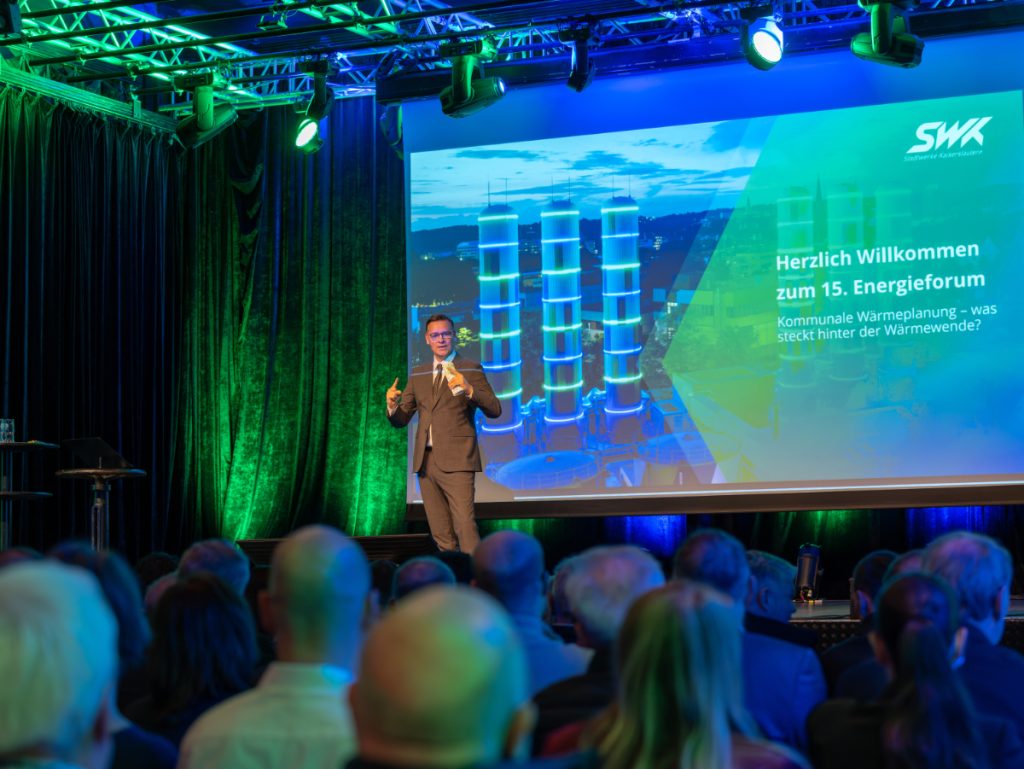
On March 19, 2026, the SWK Energy Forum took place for the fifteenth time at Kammgarn Kaiserslautern. The event for citizens focused on municipal heating planning. Can we make Kaiserslautern climate-neutral by 2040? What can SWK and the city do to make the energy transition a success?
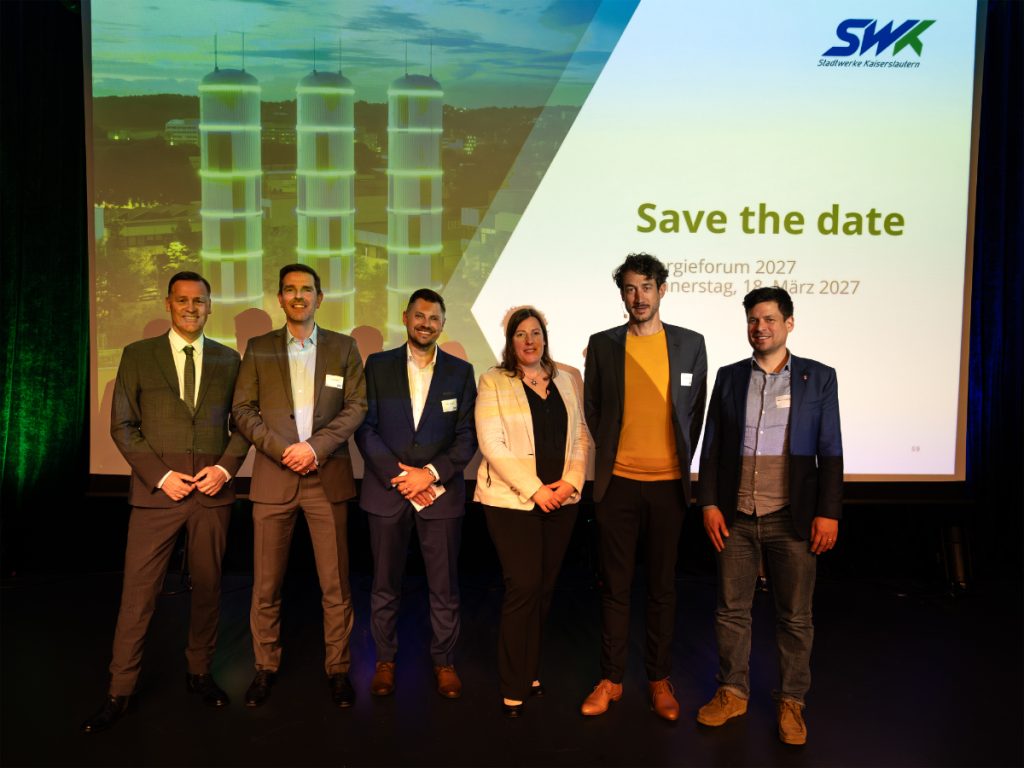
A team of experts from administration, planning and the energy industry answered questions from the many interested parties in the well-attended Kammgarn. As in previous energy forums, TV presenter Holger Wienpahl hosted the evening with his usual aplomb.
Municipal heat planning is a key aspect of the energy transition. It sets the framework for municipalities, citizens and energy suppliers for the maintenance and expansion of the necessary infrastructure. The aim is to achieve climate neutrality by 2045 as set out in the Climate Protection Act. The city of Kaiserslautern would like to achieve this goal by 2040 – five years ahead of the national target.
Good solutions for the citizens of the city
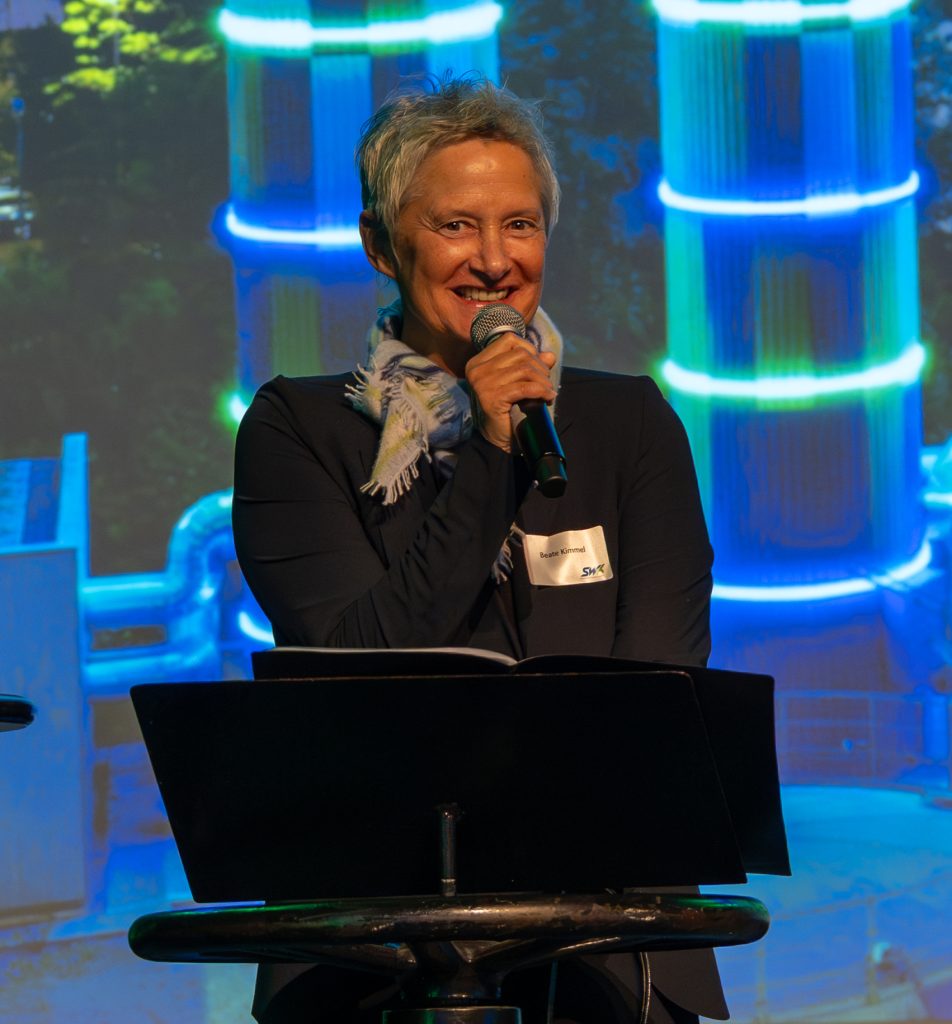
Beate Kimmel, Lord Mayor and patron of the Lautr Energy Forum, emphasized the importance of the goal for the city and the people of the region. To achieve this, everyone had to pull together. The Energy Forum contributes precisely to this. It brings people together and provides sound information from competent sources. “We work closely and in partnership with our municipal utilities to ensure that the full effect can be achieved. In this way, we combine strategic goals, technical implementation and economic viability. In the end, what counts are good solutions for the citizens of our city,” concluded Kimmel.
Climate-friendly, safe and affordable
Dr. Arvid Blume, CEO of SWK Stadtwerke Kaiserslautern, confirmed the goal of a “climate-neutral city by 2040” as a clear direction for us all. Municipal heat planning forms the backbone of a future climate-neutral heat supply. This is motivation to further develop our infrastructure and supply according to the criteria of climate protection, supply security and economic efficiency. The planned solutions can only be implemented with the right infrastructure. Now that the seismic measurements for geothermal energy have been successfully completed, the next step is to analyze and evaluate the data.
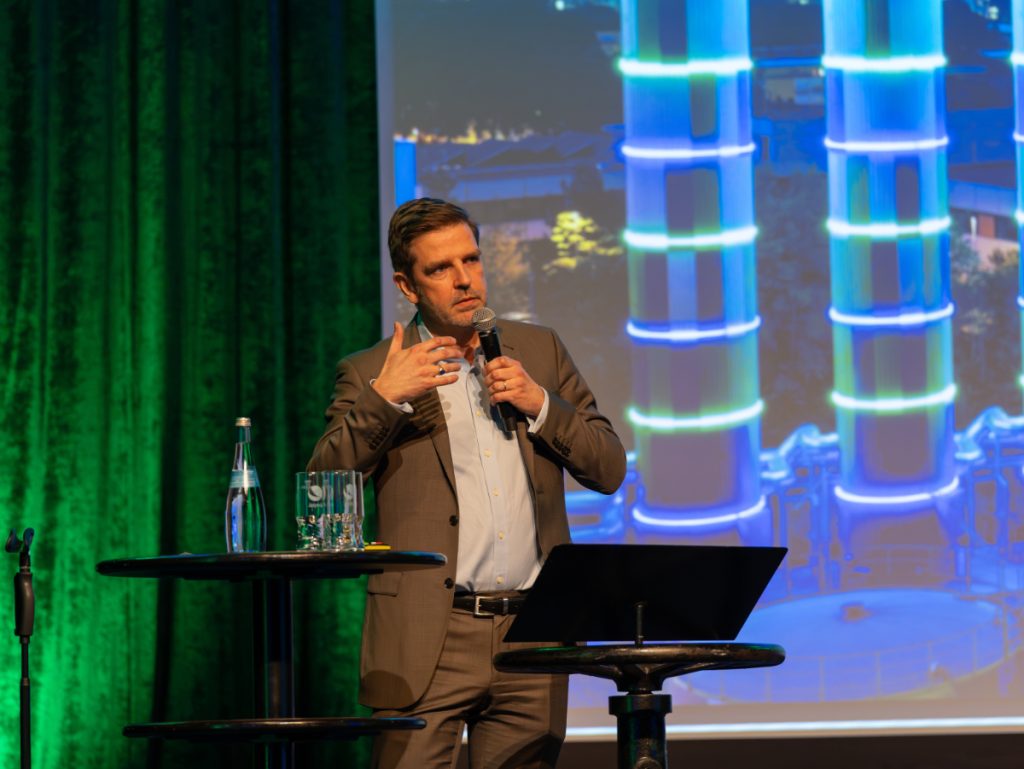
Blume sees the transformation of our district heating networks – i.e. the conversion of today’s heat supply to climate-neutral, sustainable and future-proof district heating – as a key challenge. In addition, it must be ensured that the existing electricity grid infrastructure can absorb the additional load from the heat pumps. “The common goal is a climate-friendly, secure and affordable heat supply for the citizens of our city,” concludes Arvid Blume.
Where does Kaiserslautern stand?
Manuel Steinbrenner, Head of the Environment and Building Department, reported on the strategic decisions made by the city administration and city politicians. Stage one, the first municipal heating plan for the city of Kaiserslautern, covers the years 2026 – 2030 and should be available by the end of June 2026. The final version was already approved by the Environment Committee in March and is to be adopted by the City Council in May. In the summer of 2026, citizens will once again be comprehensively informed about all the results.
Expert presentation shows ambitious goals
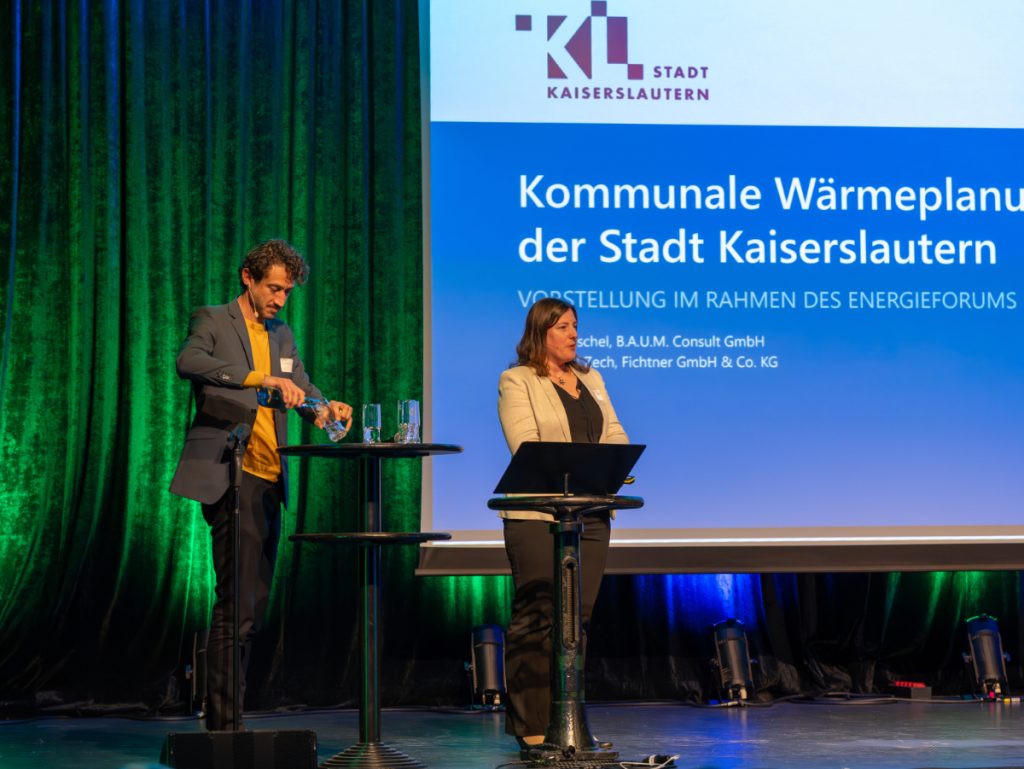
The city has commissioned the planning offices B.A.U.M. Consult and Fichtner with the municipal heating planning. Anna Kroschel (B.A.U.M.) and gave detailed insights into the current planning status at the Energy Forum.
While 1,251 million tons of greenhouse gases were emitted nationwide in 1990, emissions had already been reduced to 674 million tons by 2023. The plan for a climate-neutral Germany envisages the complete elimination of greenhouse gases by 2045.
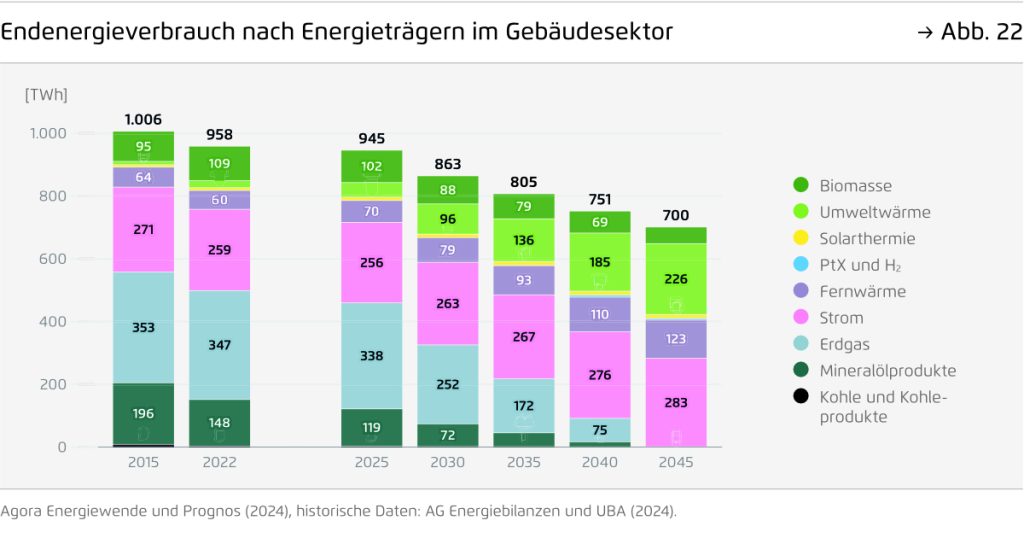
The heating sector has a key role to play in achieving these climate targets. Environmental heat (heat pumps), district heating and electricity (PV, wind) will play a central role in heating and air conditioning buildings.
Kaiserslautern is still supplied by fossil heat
Until mid-2025, the focus of heat planning was on analyzing the existing and potential heating systems in Kaiserslautern. The 26,200 buildings in the area covered currently require 967 GWh of heat per year. Residential buildings account for the majority of this (72%). 96% of these residential buildings are still supplied with fossil heat.
The target scenarios developed are intended to reduce this proportion. They show what heating will look like in the future and how the heating transition targets can be supported strategically and through specific measures. All of this will be incorporated into the 2026 – 2030 heating planning strategy at the end of June.
Renewable energies in focus
The heating transition is primarily driven by the expansion of renewable energies. This includes deep geothermal energy and near-surface geothermal energy, solar radiation (PV & solar thermal energy) and wind power. Industrial waste heat, heat from waste water, biomass, biogas and hydrogen are also to be used. Some of the energy can also be saved through energy-efficient building refurbishment. This should also ensure that less energy is needed in the first place.
Various projects have been and are being initiated in Kaiserslautern. These include the feasibility study on the use of geothermal energy and the development of a heating network in Einsiedlerhof, the realization of a cold local heating network in Dansenberg and the detailed analysis of electricity capacities for the targeted expansion of heat pumps on Lämmchesberg. A coordinated catalog of measures with prioritization of short, medium and long-term measures and projects will be part of the heat planning.
SWK shapes the energy transition as a member of the core team
Franz Frenger (SWK Head of Strategy and Networks) provided insights into the role of the municipal energy supplier SWK in municipal heating planning and the tasks that the municipal utilities will face in the future.
As a municipal energy supplier, SWK operates the necessary infrastructure. First and foremost the district heating networks. Other relevant networks, such as those for gas or electricity supply, are also the responsibility of the municipal utilities.
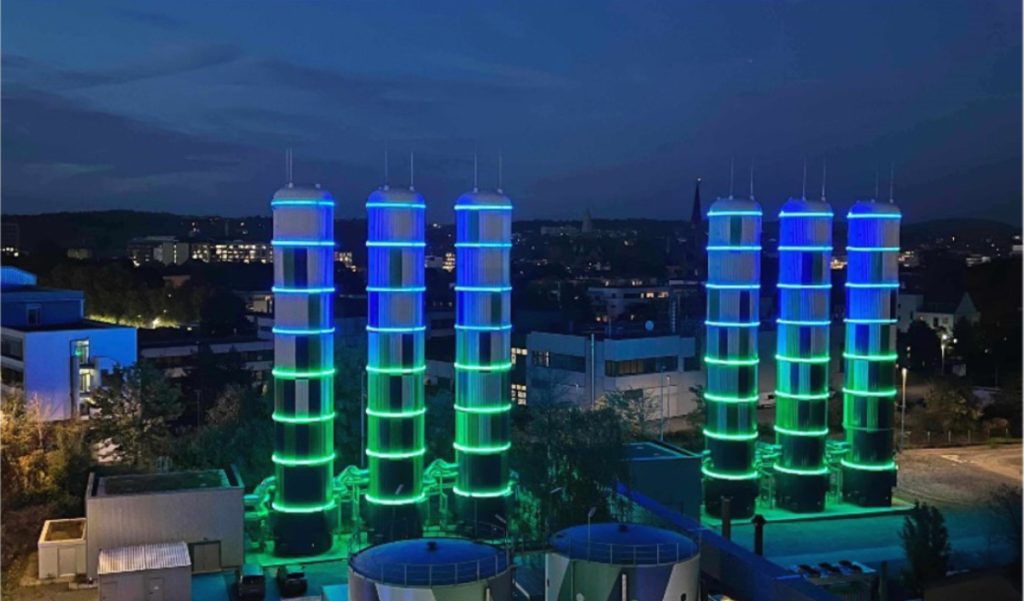
The SWK team is part of the core team and supports the city and its service providers in the creation and processing of municipal heat planning, over and above the legal obligation to provide data.
Very specific tasks for Stadtwerke Kaiserslautern
It is SWK’s task to explore the potential for expanding and densifying the heating network. The aim is to shape the transformation of the heat supply and take into account the effects on the electricity grids. The existing district heating network is to be solidly expanded and densified. In addition, new areas are to be developed in an economically viable manner through expansions. Everything is geared towards transparency and reliability for all parties involved.
65 kilometers of new main lines are to be built in 26 sub-areas of the city as part of the heating planning. This will result in 6,750 new network connections, which will be able to absorb an additional 450 GWh of heat. All in all, investments of 350 million euros are planned for the network expansion.
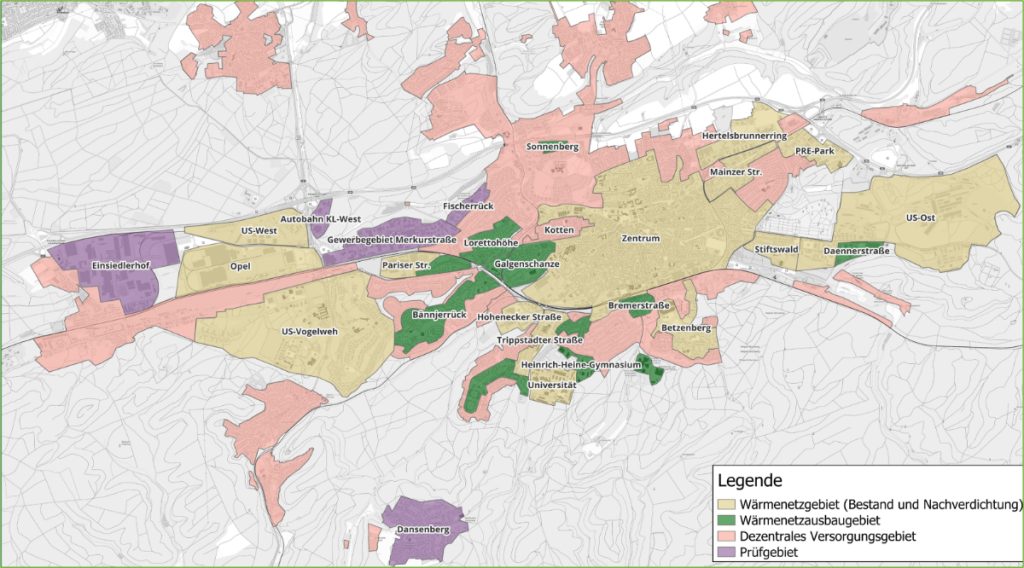
In the decentralized supply areas, the focus is on the power supply in order to be able to bear the load peaks around the heat supply with heat pumps (focus on winter) and the power generation by PV systems (focus on summer). In addition, the landing points for e-mobility must be integrated throughout the year.
The transformation at SWK
The transformation in the course of the energy transition is a comprehensive, long-term conversion process that describes the transition from fossil fuels and nuclear energy to a sustainable energy supply using renewable energies.
SWK is pursuing this transformation in several planned and coordinated steps. With the application for BEW funding (federal funding for efficient heating networks), further investigations into the integration of existing heat sources (heat potential from wastewater, use of waste heat from data centers, surplus electricity from renewable energy plants) are underway. The geothermal energy project is currently undergoing seismic evaluation. Base loads and peak loads must be determined, planned and absorbed. In addition, hydraulic checks are being carried out on the grids with regard to low temperatures. And last but not least, there are always examples of best practice and an intensive exchange of experience so that SWK can benefit from others and vice versa.
KWP - responsible mammoth project of the future
Municipal heat planning as part of the Energy Transition Act is keeping the region busy and will continue to do so in the coming months and years. We will keep you up to date here on the individual components and individual projects. One thing is already clear at the planning stage: it will only work together. We would therefore like to take this opportunity to thank you for your interest, your patience, your understanding and your constructive cooperation. As the Palatinate’s energy partner, we have a responsibility and look forward to actively shaping the future together with you.
You might also be interested in

Advisor, Energy and water, Energy future
Regular remote monitoring of your solar or wind power system
To prevent the power grid from becoming overloaded, grid operators must be able to control solar and wind power plants…
Advisor, Energy and water, The region and us
The water traffic light is green again! But we still need to use water wisely.
SWK’s water traffic light provides early information on the status of the drinking water supply. It will be switched back…